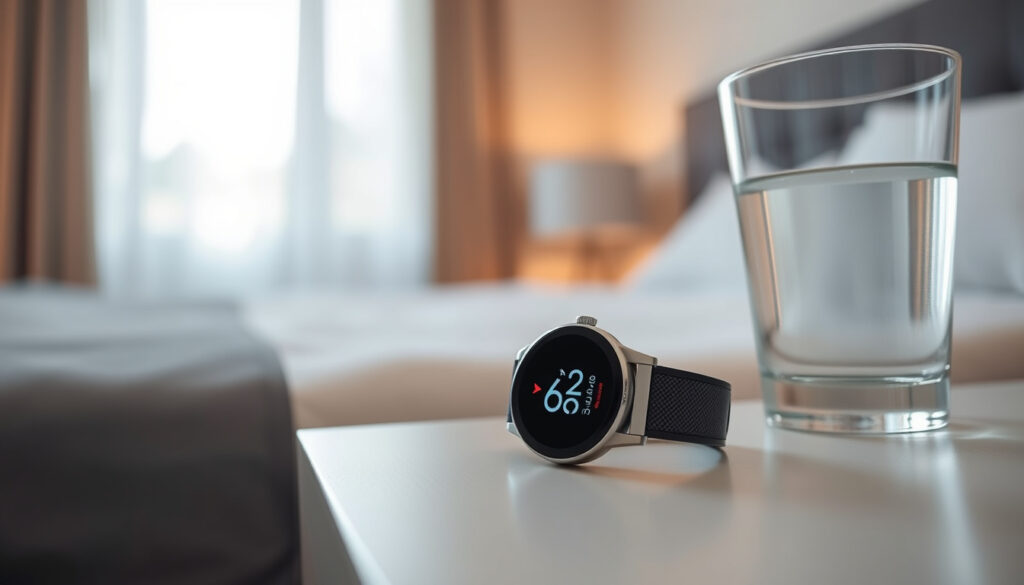
Resting Heart Rate – Normal Ranges, How to Measure and Improve It
Understanding Your Resting Heart Rate
For many people, checking their pulse is something that happens only during a doctor’s visit. But the number your heart beats per minute while you are at rest offers a snapshot of your cardiovascular health that can be tracked at home, no equipment required. Understanding what that number means — and when it might signal something worth discussing with a doctor — starts with knowing the ranges that health authorities consider normal.
Resting heart rate is not a single fixed number. It shifts with age, fitness level, time of day, and even what you ate or drank a few hours earlier. That variability can be useful: a rising trend over weeks or months may point to changes in your health that merit attention, while a consistently low rate in a trained athlete is usually a sign of efficiency, not disease.
What Is a Normal Resting Heart Rate?
For most adults, a normal resting heart rate falls between 60 and 100 beats per minute (bpm), according to the American Heart Association and the Mayo Clinic. Some experts, including those at Harvard Health, suggest that an optimal range for healthy adults is 55–85 bpm, noting that people at the lower end of that band tend to have better cardiovascular fitness.
60–100 bpm (most adults)
55–85 bpm (optimal, per Harvard)
Radial or carotid pulse for 60 sec
Fitness, Stress, Hydration, Caffeine
Key insights about resting heart rate
- Resting heart rate is a key indicator of cardiovascular fitness and overall health.
- While 60–100 bpm is considered normal, a lower resting heart rate within that range is generally associated with better fitness.
- Athletes may have resting heart rates as low as 40–60 bpm.
- Resting heart rate naturally varies by age, gender, and time of day.
- Consistent measurement (same time, same position) gives the most accurate baseline.
- A sudden or persistent increase in resting heart rate can signal an underlying issue.
Snapshot facts: resting heart rate at a glance
| Fact | Detail |
|---|---|
| Normal adult resting heart rate | 60–100 bpm |
| Optimal range per Harvard | 55–85 bpm |
| Average for women | Slightly higher (2–7 bpm) than men |
| Athlete range | 40–60 bpm |
| Highest accuracy | Measure in the morning before getting up |
| Tachycardia threshold | Resting heart rate above 100 bpm may require medical evaluation |
How to Measure Your Resting Heart Rate Accurately
A resting heart rate should be measured when you are calm, still, and awake — not right after exercise or a stressful event. The Healthdirect Australia guidelines recommend sitting quietly for at least five minutes before checking your pulse.
Manual pulse check
Place two or three fingers on the radial artery at the wrist (just below the thumb) or on the carotid artery at the side of the neck. Count the beats for a full 60 seconds for the most accurate reading. A shorter method — counting for 15 seconds and multiplying by four, or counting for 30 seconds and multiplying by two — can give a reasonable estimate, though it may miss minor variations.
Using wearable devices
Health trackers and smartwatches estimate resting heart rate using optical sensors. Their readings can be convenient for spotting trends over time, but accuracy compared with direct pulse counting varies by device and fit. For a reliable baseline, the manual 60-second count remains the gold standard.
The most consistent resting heart rate measurement comes first thing in the morning, before you get out of bed, after a full night of sleep. Measuring at the same time each day — before caffeine, breakfast, or any activity — gives the truest baseline for tracking changes over weeks and months.
What Factors Affect Resting Heart Rate?
Resting heart rate is influenced by several factors beyond age and fitness. The British Heart Foundation notes that even the time of day and your recent activity level can cause fluctuations.
Fitness level
Regular aerobic training strengthens the heart muscle, allowing it to pump more blood with each contraction. A stronger heart needs fewer beats per minute to maintain circulation, which is why endurance athletes often have resting rates in the 40–60 bpm range.
Stress and anxiety
Emotional stress activates the sympathetic nervous system, which raises heart rate. Chronic anxiety can keep resting heart rate persistently elevated, while relaxation techniques such as deep breathing and meditation can help bring it back down.
Hormones and body chemistry
Hormonal changes — including those during pregnancy — are associated with a higher resting heart rate. Thyroid disorders, anemia, and electrolyte imbalances can also alter heart rate, either raising or lowering it depending on the condition.
Medications and substances
Beta-blockers and calcium channel blockers, commonly prescribed for high blood pressure and heart conditions, can lower resting heart rate. On the other side, asthma medicines, cold remedies containing decongestants, some antibiotics, and certain antidepressants may raise it. Caffeine, alcohol, and tobacco are all stimulants that can produce a temporary increase in heart rate.
Sleep quality and body weight
Poor sleep — whether from insufficient hours or fragmented rest — can elevate morning heart rate. Higher body weight and obesity are also associated with a higher resting heart rate, partly because the heart must work harder to supply blood to more tissue.
If your resting heart rate is higher than usual when you wake up, it could be due to poor sleep quality, dehydration, late-night caffeine or alcohol, or an impending illness. A single high reading is rarely a concern, but a pattern of elevated morning rates over several days might warrant a closer look at sleep habits and hydration.
What Is a Dangerous Resting Heart Rate and When to Worry
Cleveland Clinic defines bradycardia as a resting heart rate below 60 bpm and tachycardia as a rate above 100 bpm. However, context matters: a low rate is normal in athletes and very fit individuals, while a high rate may be temporary due to stress, dehydration, or a recent meal.
A persistently high resting heart rate — one that stays above 100 bpm day after day, measured correctly in a calm state — can reflect an underlying issue such as dehydration, infection, thyroid overactivity, or anxiety. It is worth discussing with a healthcare provider, especially if accompanied by symptoms like dizziness, shortness of breath, or chest discomfort.
You should consult a doctor if your resting heart rate is consistently above 100 bpm (tachycardia) or below 50 bpm (bradycardia, if you are not an athlete) and you experience symptoms such as fainting, fatigue, chest pain, or palpitations. A one-time spike or dip is usually nothing to worry about, but a persistent trend warrants professional evaluation.
How Does Resting Heart Rate Change Across a Lifetime?
Heart rate is highest in infancy and gradually declines through childhood and adolescence before stabilizing in adulthood. The NCBI Bookshelf provides age-specific norms that show this pattern clearly.
- Preterm newborns: 120–180 bpm
- Newborn (0–1 month): 100–160 bpm
- Infant (1–12 months): 80–140 bpm
- Toddler (1–3 years): 80–130 bpm
- Preschool (3–5 years): 80–110 bpm
- School age (6–12 years): 70–100 bpm
- Adolescents (13–18 years): 60–100 bpm
- Adults (18+): 60–100 bpm
For adults, resting heart rate tends to rise slightly from the 60s in young adulthood to the 70s and 80s in older age, though a healthy lifestyle can keep it lower. In adults aged 18–29, average values cluster around 65–75 bpm; for those aged 60 and above, 70–80 bpm is typical.
Is 60–100 bpm the Only Normal Range?
The 60–100 bpm standard is widely accepted, but there is debate among experts about the optimal upper bound. Harvard Health, for instance, suggests 85 bpm as a more ideal upper limit, noting that people with resting rates between 85 and 100 bpm may still be considered normal but carry a slightly higher cardiovascular risk than those in the 55–85 bpm range.
| Established Information | Information That Remains Unclear |
|---|---|
| A resting heart rate between 60 and 100 bpm is considered normal for most adults by major health organizations. | Whether 85 bpm or 100 bpm is the more appropriate upper limit for optimal health is still debated among experts. |
Individual baselines vary. A rate of 55 bpm can be healthy for a fit person but may be concerning for someone with symptoms of dizziness or fatigue. Always consult a healthcare provider for personal interpretation of your resting heart rate in the context of your overall health.
What Does Resting Heart Rate Actually Tell Us?
Resting heart rate is controlled by the autonomic nervous system and reflects the balance between sympathetic (fight-or-flight) and parasympathetic (rest-and-digest) tone. A lower resting heart rate generally indicates a stronger parasympathetic influence and better cardiovascular efficiency, often the result of regular aerobic exercise that increases stroke volume.
Factors like emotional stress, illness, and dehydration temporarily shift the balance toward sympathetic activation, raising heart rate. By tracking resting heart rate consistently — ideally measured first thing in the morning over several weeks — you can spot meaningful trends that may correlate with changes in fitness, stress levels, or health status.
Resting heart rate is not a standalone diagnostic tool, but it is a useful vital sign. When combined with other measures such as blood pressure, sleep quality, and physical activity, it provides a window into how well your cardiovascular system is adapting to your lifestyle.
What Do Leading Health Organizations Say About Normal Resting Heart Rate?
“A normal resting heart rate ranges from 60 to 100 beats per minute for adults.”
— Mayo Clinic
“The official normal resting heart rate ranges from 60 to 100 beats per minute, the range for most healthy adults is between 55 and 85 beats per minute.”
— Harvard Health
“A normal resting heart rate should be between 60 to 100 beats a minute.”
— British Heart Foundation
What Are the Key Takeaways About Resting Heart Rate?
Resting heart rate is a simple but informative measure of cardiovascular health. For most adults, 60–100 bpm is the accepted normal range, though fitter individuals often sit lower and may benefit from the greater efficiency that a stronger heart provides. Monitoring your own rate over time — using a consistent measurement method at the same time each day — can reveal trends worth discussing with a doctor, especially if it drifts persistently above 100 bpm or below 50 bpm in a non-athlete. If you are looking to improve your numbers, regular aerobic exercise, adequate sleep, stress management, and limiting stimulants are the most evidence-backed strategies. For related reading, see How to Lower Blood Pressure – Proven Natural Strategies and 24/7 Fitness – Affordable 24-Hour Gym in the UK With No Contracts.
Frequently Asked Questions About Resting Heart Rate
Can anxiety increase resting heart rate?
Yes, stress and anxiety activate the sympathetic nervous system, raising heart rate temporarily. Chronic anxiety may keep resting heart rate elevated.
Does caffeine increase resting heart rate?
Yes, caffeine is a stimulant that can cause a short-term increase in heart rate. Effects vary by individual tolerance.
What medications cause lower resting heart rate?
Beta-blockers, calcium channel blockers, and certain antiarrhythmic drugs can lower heart rate. Always consult your doctor if you notice bradycardia.
Can dehydration raise resting heart rate?
Yes, dehydration reduces blood volume, causing the heart to pump faster to maintain circulation. This can elevate resting heart rate.
Does resting heart rate differ for women vs men?
Yes, women typically have a slightly higher resting heart rate (2–7 bpm) than men, partly due to hormonal differences and heart size.
What is the average resting heart rate for a 30-year-old?
For a healthy 30-year-old, average resting heart rate ranges from 65 to 75 bpm, but individual fitness level matters.
How does fitness affect resting heart rate?
Regular aerobic exercise strengthens the heart, allowing it to pump more blood with each beat, resulting in a lower resting heart rate.
What does a resting heart rate of 100 mean?
A resting heart rate of exactly 100 bpm is at the upper limit of normal. If consistently at or above 100 bpm (tachycardia), it may warrant medical evaluation.
More related posts
 The Haunting of Hill House – Book vs Netflix Series
 Google Translate English to Romanian – Voice, Grammar & App Guide
 Cornwall Campsite Safety Concerns – Sandways Beach Closure Update
 When Did the Pope Die – Date, Time, Age, Successor
 M&S Chocolate – Taste Tests, Prices and Best Picks 2024
 Stranger Things Secret Episode – Conformity Gate Hoax
 What Colours Can Dogs See – The Science of Canine Vision
