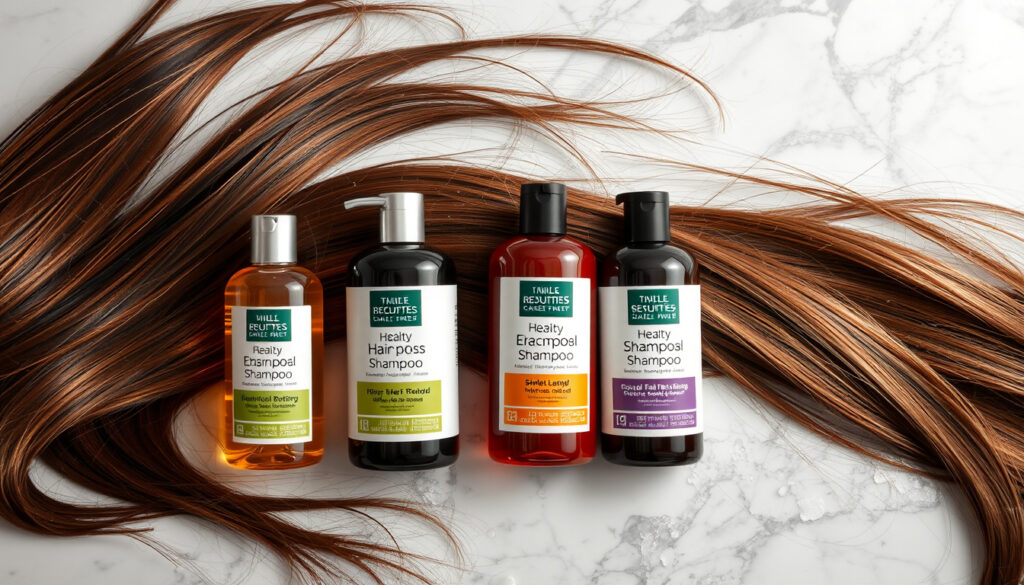
Shampoo for Hair Loss – Best UK Picks for Men & Women
Hair loss affects millions of people across the UK, and many turn to specialized shampoos in search of a solution. While no shampoo can regrow hair on its own, certain formulations containing evidence-backed ingredients may help reduce shedding, support scalp health, and improve hair density when used alongside other treatments. Understanding which products have genuine clinical support versus those relying on marketing claims can make a significant difference for those experiencing thinning or loss.
Dermatologists frequently recommend specific shampoo ingredients based on peer-reviewed research, with ketoconazole emerging as one of the most studied compounds for androgenetic alopecia. However, navigating the wide range of options at Boots, pharmacies, and online retailers can be overwhelming. This guide examines the strongest evidence, gender-specific needs, and UK availability to help consumers make informed choices.
Best Shampoo for Hair Loss in Women
Women experiencing hair loss often face different underlying causes than men, including hormonal changes, postpartum effects, and conditions like PCOS. For female-pattern hair loss, gentle, sulfate-free formulations that minimise breakage are generally recommended. Ketoconazole-based shampoos such as Nizoral have demonstrated improvements in hair density comparable to 2% minoxidil in small clinical studies, making them a top choice for women with androgenetic alopecia.
Women dealing with hormonal hair loss should prioritize gentle, moisturizing formulas that reduce breakage rather than harsh anti-dandruff formulations. Consulting a dermatologist before starting any new shampoo regimen is advisable, particularly for those with underlying conditions.
Top Picks for Thinning Hair in Women
Several shampoos stand out for women dealing with thinning or loss. Nizoral A-D, available in 1% over-the-counter strength at Boots and pharmacies, contains ketoconazole—an antifungal agent that reduces scalp inflammation and may block DHT, a hormone linked to female-pattern hair loss. DS Labs Revita offers a sulfate-free option with caffeine, biotin, and peptides that dermatologists rate highly for follicle stimulation and keratin production.
For those with sensitive or dry scalps, CeraVe Hydrating provides ceramides that maintain moisture and prevent breakage, while Aveeno Scalp Soothing uses oat extract to calm inflammation. Women with colour-treated hair may benefit from formulations like Hims Thick Fix, which adds volume without stripping dye treatments.
Nizoral A-D (1%)
DS Labs Revita
Nizoral 1% (Boots)
Ketoconazole 1-2%
Key Insights on Hair Loss Shampoos
- Ketoconazole-based shampoos have the strongest clinical evidence for supporting hair density in androgenetic alopecia for both women and men.
- Dermatologists recommend ketoconazole 2-3 times weekly to reduce scalp inflammation, dandruff, and DHT effects.
- Shampoos work best alongside other treatments such as minoxidil—they do not regrow hair on their own.
- Zinc pyrithione, selenium sulphide, and salicylic acid offer moderate evidence for dandruff-related hair loss.
- Caffeine and saw palmetto have limited clinical data but appear in many formulations marketed for growth.
- Biotin only shows benefit when the user has a confirmed deficiency.
- Women with hormonal or postpartum hair loss should prioritise gentle, sulfate-free formulas to reduce breakage.
Snapshot: Facts About Hair Loss Shampoos
| Factor | Details |
|---|---|
| Common Causes | Androgenetic alopecia, hormonal changes, stress, nutritional deficiencies, scalp conditions |
| Ingredients to Look For | Ketoconazole (1-2%), caffeine, zinc pyrithione, DHT blockers, peptides |
| UK Regulations | 1% ketoconazole available OTC; 2% requires prescription or pharmacy consultation |
| Gender Notes | Women benefit from gentler formulas; men may tolerate stronger anti-DHT ingredients |
| Expected Timeline | Trial one ingredient for 4-6 weeks before switching if no improvement |
| Limitations | Shampoos manage scalp health and reduce breakage—they do not regrow hair independently |
Top Shampoo for Hair Loss in Men
Male-pattern baldness remains the most common cause of hair loss in men, affecting roughly half of all men by age 50. Unlike women, men often tolerate stronger active ingredients and may benefit from formulations specifically targeting DHT—the hormone responsible for follicle miniaturisation in androgenetic alopecia. Ketoconazole remains the most evidence-backed ingredient, though several other compounds show promise in supporting scalp health and reducing shedding.
Dermatologist-Recommended Options for Men
DS Labs Revita consistently receives high marks from dermatologists for its combination of caffeine, biotin, peptides, taurine, and DHT blockers. Available online with UK shipping, the formula is sulfate and paraben-free, making it suitable for daily use. Men’s Health lists it among the top-rated options for follicle stimulation and fullness.
Nizoral A-D remains a cornerstone recommendation. Small studies have shown improvements in hair density comparable to 2% minoxidil, though the evidence comes from limited trials. Men using the 2% prescription strength should apply it 2-3 times weekly, leaving it on the scalp for several minutes before rinsing. RootMD DHT-Blocking offers another option for those seeking targeted DHT inhibition, while Huron Wash & Strengthen provides an affordable daily-volumising option with argan oil and menthol.
The clinical evidence for ketoconazole remains the strongest among shampoo ingredients. However, studies are small and methodology has limitations. No shampoo matches the efficacy of finasteride or minoxidil for male-pattern baldness.
What Men Should Know
Men should approach hair loss shampoos as supportive tools rather than standalone solutions. The American Academy of Dermatology notes that while shampoos can improve scalp conditions and reduce shedding, they work best when combined with clinically proven treatments like topical minoxidil or oral finasteride.
Trial periods of 4-6 weeks allow users to assess whether a particular ingredient suits their scalp and hair type. If no improvement occurs, switching to a different active ingredient—such as moving from ketoconazole to zinc pyrithione—may yield better results. Consistent application and avoiding eye contact remain important safety considerations.
Best Shampoo for Hair Loss in the UK
UK consumers benefit from several accessible options through Boots, pharmacies, and online retailers. The availability of 1% ketoconazole over the counter makes Nizoral one of the most practical starting points for those seeking evidence-backed ingredients without a prescription.
Where to Buy in the UK
Boots stocks several dermatologist-recommended options including Nizoral 1%, CeraVe Hydrating, and Aveeno Scalp Soothing. The Bolt Pharmacy guide recommends starting with Nizoral for pattern baldness, noting that it serves as a scalp aid rather than a cure. For those preferring in-store shopping, Boots pharmacies offer the advantage of speaking with trained staff about suitable options.
Online retailers provide access to specialty products like DS Labs Revita, RootMD DHT-Blocking, and Hims Thick Fix. UK shipping is available for these brands, though availability may vary. The Kibo Clinics blog advises checking stock regularly, as demand for hair loss products continues to grow.
Avoid contact with eyes when using anti-dandruff or ketoconazole shampoos. Discontinue use if irritation occurs. Pregnant or breastfeeding individuals should check product labels and consult a healthcare professional before use.
UK-Specific Recommendations
- Ketoconazole 1% available OTC at Boots and most pharmacies; 2% requires prescription or pharmacy consultation.
- Start with one active ingredient and trial for 4-6 weeks before switching.
- Boots stocks Nizoral 1%, CeraVe, and Aveeno—ideal starting options.
- Online options include Revita, RootMD, and Hims with UK shipping.
- Consult a dermatologist for persistent or severe hair loss.
- Pregnancy and breastfeeding require careful label checking and professional advice.
Understanding Proven Ingredients and Marketing Claims
Separating evidence-based formulations from marketing hype presents a challenge for consumers. The FDA notes that hair loss products often make claims without the clinical data to support them. Understanding which ingredients have peer-reviewed evidence behind them can help shoppers avoid wasting money on ineffective products.
Established vs Unproven Ingredients
| Established Evidence | Limited or Marketing-Only Evidence |
|---|---|
| Ketoconazole 1-2% (strongest data) | Caffeine alone (preliminary studies) |
| Zinc pyrithione (moderate evidence) | Saw palmetto extracts (limited data) |
| Selenium sulphide (dandruff-related loss) | Biotin without confirmed deficiency |
| Salicylic acid (scalp clearing) | Argan oil alone for growth |
The Derm on Demand blog emphasises that even proven ingredients work by managing scalp health and reducing factors that contribute to loss—primarily inflammation, fungal overgrowth, and DHT accumulation. No shampoo independently regrows hair. Users should maintain realistic expectations and view these products as part of a broader hair care strategy.
How Hair Loss Shampoos Work
Understanding the mechanisms behind hair loss shampoos helps set appropriate expectations. These formulations do not revive dead follicles or reverse genetic predisposition. Instead, they address contributing factors that accelerate thinning and shedding.
Ketoconazole works through antifungal and anti-inflammatory pathways, reducing Malassezia yeast colonisation on the scalp and decreasing local inflammation that can inhibit follicle function. It also exhibits mild DHT-blocking activity, which addresses the hormonal component of androgenetic alopecia. Zinc pyrithione and selenium sulphide similarly target fungal overgrowth and associated inflammation, making them suitable for seborrhoeic dermatitis-related hair loss.
Caffeine-based formulations aim to extend the anagen (growth) phase of the hair cycle and stimulate follicular activity. While laboratory studies show promise, clinical evidence in humans remains limited. Peptides and DHT blockers in products like Revita and RootMD attempt to provide direct follicle support, though comparative clinical data remains sparse.
Expert Perspectives and Sources
Ketoconazole-based shampoos have the strongest peer-reviewed data among shampoo ingredients for supporting hair density in androgenetic alopecia for both women and men.
— Dermatologist recommendations compiled by Bolt Pharmacy
Shampoos manage scalp health and reduce breakage, but they do not independently regrow hair. The best results come from combining shampoo use with clinically proven treatments.
— Kibo Clinics dermatology blog
The NHS provides general guidance on hair loss causes and when to seek medical advice, noting that shampoo alone rarely resolves significant thinning. For persistent or sudden hair loss, professional diagnosis helps identify underlying causes that targeted treatments may address more effectively.
Summary and Next Steps
Ketoconazole-based shampoos like Nizoral remain the most evidence-supported option for those experiencing androgenetic alopecia, with 1% available over-the-counter in the UK and 2% requiring prescription or pharmacy consultation. These products work best when combined with clinically proven treatments and should be viewed as supportive tools rather than standalone solutions.
For women, gentle, sulfate-free formulations minimise breakage and support overall hair health. Men may benefit from stronger DHT-targeting ingredients alongside consistent application. UK consumers can access quality options through Boots, pharmacies, and online retailers, with 4-6 week trial periods helping identify effective ingredients for individual scalps and hair types.
Those experiencing significant or sudden hair loss should consult a dermatologist or GP to rule out underlying conditions. Addressing systemic factors often proves more effective than topical products alone. For related health guidance, see the How to Lower Blood Pressure resource, which covers lifestyle factors that can influence hair health alongside overall wellbeing.
Frequently Asked Questions
Can shampoo actually regrow hair?
No shampoo independently regrows hair. Products like ketoconazole may improve density and reduce shedding by addressing scalp inflammation and DHT effects, but they work best alongside treatments like minoxidil or finasteride.
What shampoo is best for hair loss in women?
Nizoral A-D with ketoconazole offers the strongest evidence for female-pattern hair loss. Women with hormonal causes may benefit from gentler, sulfate-free options like CeraVe Hydrating or Aveeno Scalp Soothing to reduce breakage.
Is Nizoral available over the counter in the UK?
Yes, the 1% strength is available over the counter at Boots and most pharmacies. The stronger 2% formulation requires a prescription or pharmacy consultation.
How often should I use hair loss shampoo?
Dermatologists typically recommend 2-3 applications per week for ketoconazole-based shampoos. Daily use is acceptable for gentle, moisturising formulas like CeraVe Hydrating.
Are expensive shampoos more effective?
Price does not correlate with efficacy for hair loss shampoos. Nizoral, one of the most affordable options, has the strongest clinical evidence. Specialty products like Revita offer additional ingredients but do not guarantee superior results.
When should I see a dermatologist about hair loss?
Consult a professional if hair loss is sudden, patchy, or accompanied by scalp symptoms. A dermatologist can diagnose underlying causes and recommend targeted treatments beyond over-the-counter shampoos.
Can I use hair loss shampoo while pregnant?
Pregnant individuals should check product labels carefully and consult a healthcare professional before using anti-dandruff or ketoconazole shampoos. Some ingredients may not be recommended during pregnancy.
More related posts
 Is a Cucumber a Fruit – The Botanical and Culinary Truth
 Arsenal Transfer News Viktor Gyökeres – Latest Negotiations and Bid Update
 Cast of the Penguin – Full List of Actors and Characters
 Stranger Things Secret Episode – Conformity Gate Hoax
 Beauty of Joseon Eye Cream – Reviews, Benefits & UK Guide
 Alex Armstrong – Identity, Career, and Pride Controversy
 My Life Is Murder – Season 6 Status, Cast and Where to Watch
 Foreign and Colonial Share Price – Now Shows Fresnillo Data
