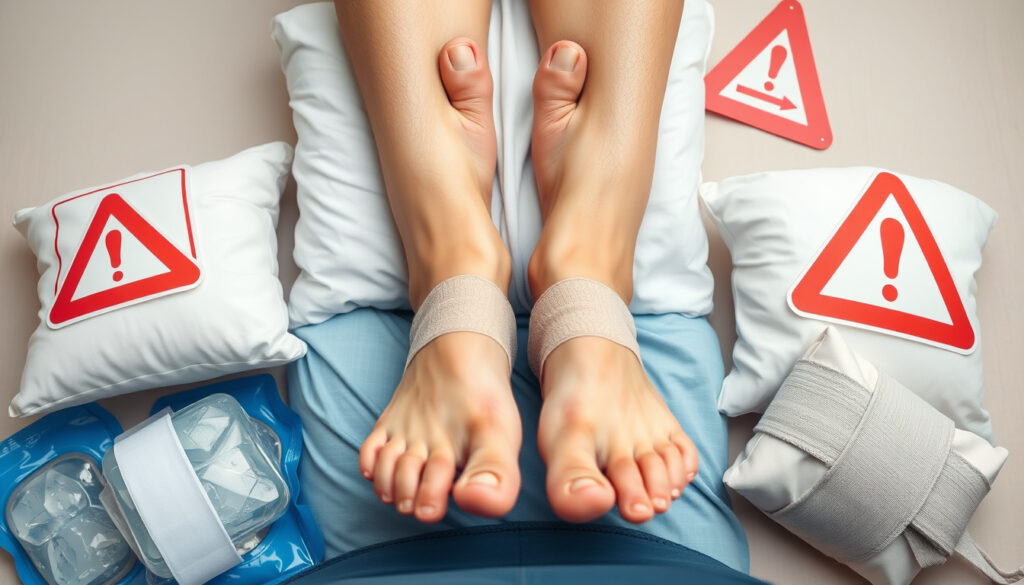
Swollen Feet and Ankles – Causes, Remedies and Red Flags
Swollen feet and ankles, medically known as edema, affect millions of people worldwide and can range from a minor inconvenience to a sign of a more serious underlying condition. The swelling occurs when excess fluid becomes trapped in the body’s tissues, most commonly settling in the lower extremities due to gravity. Understanding the root causes, available remedies, and warning signs can help individuals determine when home care suffices and when professional medical attention becomes necessary.
Research from major medical institutions indicates that approximately 20 percent of adults experience some degree of edema during their lifetime. While occasional swelling after prolonged standing or sitting typically poses no health risk, persistent or sudden swelling warrants closer attention. Pregnant women, older adults, and individuals with certain chronic conditions face higher susceptibility to fluid retention in the feet and ankles.
This article examines the common triggers of swelling in the lower extremities, evidence-based approaches to reduce discomfort at home, and the specific warning signs that should prompt a visit to a healthcare provider. The goal is to provide clear, actionable information grounded in current medical understanding.
What Causes Swollen Feet and Ankles?
Injury, salt intake, pregnancy, prolonged standing
Elevation, compression, increased hydration
Sudden onset, pain, one-sided swelling
Regular exercise, low-sodium diet, movement breaks
Edema develops when fluid escapes from blood vessels into surrounding tissues. According to the Mayo Clinic, this fluid retention happens when the delicate balance between fluid entering and leaving tissues shifts out of equilibrium. Multiple factors can disrupt this balance, ranging from everyday lifestyle habits to serious medical conditions.
Prolonged standing or sitting ranks among the most frequent culprits. When the body remains in one position for extended periods, gravity pulls fluid downward toward the ankles and feet. The muscles in the lower legs normally help pump blood back toward the heart, but motionless postures limit this muscular action, allowing fluid to pool in the dependent tissues.
Pregnancy creates significant physiological changes that promote swelling. Hormonal shifts cause blood vessels to relax, while the expanding uterus puts pressure on the veins returning blood from the legs. Up to 80 percent of pregnant women experience some degree of edema, particularly during the third trimester.
Dietary sodium plays a measurable role in fluid retention. High salt consumption causes the body to retain water to maintain proper electrolyte balance. Research cited by health organizations has documented this connection, with some studies focusing specifically on leg swelling in males over sixty years of age.
Ill-fitting shoes, certain medications, dehydration (which paradoxically worsens retention), venous insufficiency, and lymphedema represent additional contributing factors. Evening-only swelling often reflects daytime activity patterns and gravity effects, typically worsening by the end of a long day.
Medical Conditions Associated With Swelling
Serious underlying conditions can manifest through swelling in the feet and ankles. Heart failure causes fluid to back up in the circulatory system because the heart cannot pump efficiently. Kidney disease impairs the body’s ability to excrete fluid and sodium properly. The Cleveland Clinic notes that blood clots, particularly deep vein thrombosis, can cause sudden, often painful swelling in one leg and require immediate medical evaluation.
While most cases of swollen feet and ankles result from benign causes, persistent swelling accompanied by breathing difficulty, chest pain, or sudden onset requires urgent medical assessment. According to Cleveland Clinic, swelling related to heart or kidney issues often presents with additional symptoms such as fatigue, reduced urination, or weight gain.
How to Reduce Swelling in Feet and Ankles at Home
Several evidence-based approaches can provide meaningful relief from mild to moderate swelling, often within hours to days of implementation. These remedies work through different mechanisms: some use gravity to drain fluid, others improve circulation, and several address dietary contributors to fluid retention.
Elevation Techniques
Raising the legs above heart level allows gravity to assist fluid drainage from the lower extremities. The most effective approach involves positioning pillows so that feet rest higher than the chest, either while lying down or sitting. The “legs up the wall” yoga pose works well for many people. Performing this elevation multiple times daily, particularly after long periods of standing or sitting, can significantly reduce swelling within hours.
Compression Therapy
Compression socks or stockings apply graduated pressure that helps push fluid out of the legs and back into circulation. Medical sources recommend these garments especially for individuals with venous insufficiency or lymphedema. Wearing them during the day while upright maximizes their effectiveness. Loose-fitting clothing elsewhere prevents constriction that might worsen circulation.
Movement and Exercise
Physical activity stimulates the muscular pump in the legs, helping force fluid upward toward the heart. Even simple actions like walking, performing calf raises, or flexing the feet repeatedly make a difference. Swimming offers a particularly gentle option, as the water pressure provides natural compression while cushioning joints.
For rapid relief, try combining approaches: elevate the legs while performing gentle ankle rotations, place a cold compress on particularly swollen areas, and drink a glass of water to support hydration. These combined techniques address swelling through multiple pathways simultaneously. The Mayo Clinic recommends consulting a healthcare provider before starting any new treatment regimen.
Dietary Adjustments
Reducing sodium intake below 2,300 milligrams per day helps decrease fluid retention. Fresh foods generally contain less sodium than processed alternatives, making the switch beneficial beyond just managing swelling. Increasing water consumption to eight to twelve glasses daily paradoxically helps the body flush excess sodium and waste products, counteracting dehydration that can worsen edema.
Massage and Alternative Approaches
Gentle massage using firm strokes directed toward the heart can encourage lymphatic drainage and improve circulation. This technique proves particularly helpful for lymphedema but offers benefits for other types of swelling as well. Some people find relief through Epsom salt soaks, though scientific evidence for their effectiveness remains limited. Foods rich in magnesium and potassium may support fluid balance as part of an overall healthy diet.
| Remedy | How It Helps | Time to Effect |
|---|---|---|
| Elevation | Drains fluid via gravity | Fast (hours) |
| Compression | Boosts circulation | During wear time |
| Movement | Pumps fluid upward | During/after activity |
| Low salt diet | Reduces retention | 1-2 days |
When Should You Worry About Swollen Feet and Ankles?
Most instances of swelling result from harmless causes and respond well to home care. However, certain patterns and accompanying symptoms signal the need for professional medical evaluation. Recognizing these warning signs helps ensure timely treatment for potentially serious conditions while avoiding unnecessary concern for benign swelling.
Red Flags Requiring Immediate Attention
Sudden onset swelling, particularly when painful or limited to one leg, demands urgent evaluation. These symptoms could indicate a blood clot that requires prompt diagnosis and treatment. Shortness of breath or chest pain accompanying leg swelling suggests possible heart or lung involvement requiring emergency care. According to the American Heart Association, swelling combined with breathing difficulties may indicate worsening heart failure.
Signs of Underlying Medical Conditions
Swelling that persists despite home remedies, progressively worsens, or occurs with systemic symptoms warrants medical investigation. Fatigue, unexplained weight gain, reduced urine output, or swelling upon waking in the morning may suggest kidney or heart involvement. The CDC notes that cardiovascular conditions often present with multiple interconnected symptoms.
Pregnant individuals experiencing sudden severe swelling, particularly with headache or visual changes, should contact their healthcare provider immediately as these could indicate preeclampsia. Older adults with chronic swelling should have their medications and organ function evaluated, as reduced kidney efficiency and drug side effects commonly contribute to edema in this population.
Is Walking Good for Swollen Ankles?
Movement and exercise rank among the most effective strategies for managing swelling in the feet and ankles. Walking specifically activates the calf muscles, which function as a powerful pump pushing blood and fluid back up toward the heart. Unlike prolonged standing, which allows gravity to pool fluid in the lower legs, walking creates rhythmic muscular contractions that counteract this tendency.
Best Types of Movement for Edema
Low-impact activities generally offer the best combination of effectiveness and safety. Walking remains accessible to most people and requires no special equipment beyond comfortable shoes. Swimming provides unique benefits because water pressure gently compresses the legs while allowing free movement. Yoga poses that elevate the legs, such as supported shoulder stand or legs up a wall, combine gentle movement with the advantages of elevation.
For those with sedentary occupations, incorporating movement throughout the day proves essential. Simple exercises performed while seated—such as toe raises, ankle rotations, and squeezing a tennis ball—help maintain circulation during extended periods of sitting. Setting reminders to stand and move every thirty to sixty minutes prevents fluid accumulation from developing.
Exercise Precautions and Considerations
Moderation matters when using exercise to manage swelling. Overly intense activity can cause additional inflammation and potentially worsen edema in some cases. Pregnant individuals should consult their healthcare provider before starting any new exercise program, though most can safely continue with low-impact activities. Anyone experiencing pain alongside swelling should avoid vigorous exercise until receiving medical evaluation.
Timeline of Swelling Development
The duration and progression of swelling provide important clues about its cause and appropriate management approach. Understanding typical timelines helps set realistic expectations and guides decisions about when professional care becomes necessary.
- Acute swelling (hours to days): Often results from injury, dietary indiscretion, or prolonged immobility. Typically responds well to elevation, compression, and movement. Sources: Healthline, MedlinePlus
- Subacute swelling (days to weeks): May reflect medication changes, hormonal fluctuations, or increased physical activity. Usually manageable with consistent application of home remedies.
- Chronic swelling (months to years): Often associated with venous insufficiency, lymphedema, or systemic conditions. Requires medical evaluation to identify underlying causes and develop appropriate management strategies.
What We Know and What Remains Uncertain
Medical science has established clear frameworks for understanding and treating most cases of swollen feet and ankles, though some aspects continue to require individualized assessment.
| Established Information | Information That Remains Uncertain |
|---|---|
| Fluid dynamics explain how swelling develops in dependent tissues | Optimal duration and frequency of elevation for different individuals |
| Most swelling responds to conservative home management | Precise thresholds for when swelling indicates serious underlying disease |
| Heart, kidney, and liver conditions can cause systemic edema | Which specific dietary interventions work best for particular causes |
| Pregnancy and aging increase susceptibility to fluid retention | Long-term outcomes of various treatment approaches for chronic cases |
Understanding Edema in Context
Swelling in the feet and ankles represents a symptom rather than a diagnosis itself. The underlying mechanism involves the movement of fluid from blood vessels into the spaces between cells, a process influenced by blood pressure, vessel permeability, and the efficiency of the lymphatic system. This fluid accumulation becomes visible when the body cannot return the fluid to circulation faster than it accumulates.
In most cases, this represents an inconvenience rather than a health crisis. However, the context surrounding the swelling matters significantly. Evening swelling that resolves overnight typically reflects normal physiological responses to daily activity. Morning swelling that persists throughout the day may warrant closer investigation, as it could indicate problems with kidney function or venous return that occur when the body is in a horizontal position.
Expert Perspectives on Managing Swelling
“Edema is swelling from the buildup of fluid in the body’s tissues. It most often occurs in the feet, ankles, and legs.” — Mayo Clinic
“When you’re lying down, raising your legs above the level of your heart makes it easier for your body to recycle the fluid that’s causing the swelling.” — Cleveland Clinic
“Oedema is a condition where fluid leaks from tiny blood vessels into nearby tissues, causing swelling.” — NHS
Summary and Next Steps
Swollen feet and ankles result from fluid accumulation in the lower extremities, most commonly caused by prolonged positioning, pregnancy, high sodium intake, or underlying venous insufficiency. Home remedies including elevation, compression, movement, and dietary modifications effectively address most mild to moderate cases within hours to days. However, sudden onset, persistent swelling, or symptoms affecting breathing or chest comfort require prompt medical evaluation.
For most people, incorporating regular movement, reducing sodium consumption, and elevating the legs when possible prevents swelling from developing or returning. Understanding personal risk factors—whether pregnancy, age, medication use, or chronic conditions—helps guide appropriate preventive strategies. You might also find it useful to learn How many grams of protein in an egg as part of dietary planning to support overall vascular health.
Frequently Asked Questions
What does swelling in ankles and feet mean?
Swelling indicates excess fluid trapped in the body’s tissues, typically settling in the feet and ankles due to gravity. Common causes include prolonged standing, pregnancy, high salt intake, and various medical conditions affecting circulation or organ function.
Are swollen feet a sign of heart problems?
While swollen feet can accompany heart conditions, most cases result from benign causes. However, swelling accompanied by shortness of breath, chest pain, fatigue, or sudden weight gain warrants urgent medical evaluation to rule out heart failure or other serious cardiovascular conditions.
What causes evening-only swelling in the ankles?
Swelling that appears by the end of the day and often resolves overnight typically results from gravity pulling fluid downward during upright activity. This pattern commonly affects people who stand or walk extensively during daytime hours and usually responds well to elevation and movement.
Can dehydration actually cause swollen feet?
Paradoxically, insufficient water intake can worsen swelling. When dehydrated, the body retains fluid as a protective response, potentially increasing visible edema. Drinking adequate water helps flush sodium and supports more efficient fluid balance throughout the body.
How quickly do home remedies work for swollen feet?
Elevation often produces noticeable improvement within hours. Compression, movement, and dietary changes typically show effects within one to two days of consistent application. Persistent swelling despite several days of home care may indicate the need for professional evaluation.
More related posts
 Obi-Wan Kenobi – Complete Jedi Bio Timeline and Series Guide
 Word With Friend Cheat – Be t App , Solver and Ri k in 2025
 Winter Fuel Payments Pensioners – New £35,000 Rules for 2025
 Ginny Holder – Biography, Age, Husband and Movies
 Incontinence Pants for Women – Best 2025 Picks and Guide
 Coronation Street Philip Lowrie – Dennis Tanner Actor Dies at 88
 HMRC Wage Raid Payroll Checks – What UK Employers Need 2025-26
 BBC Weather East Kilbride – Hourly Forecast and Local Updates
