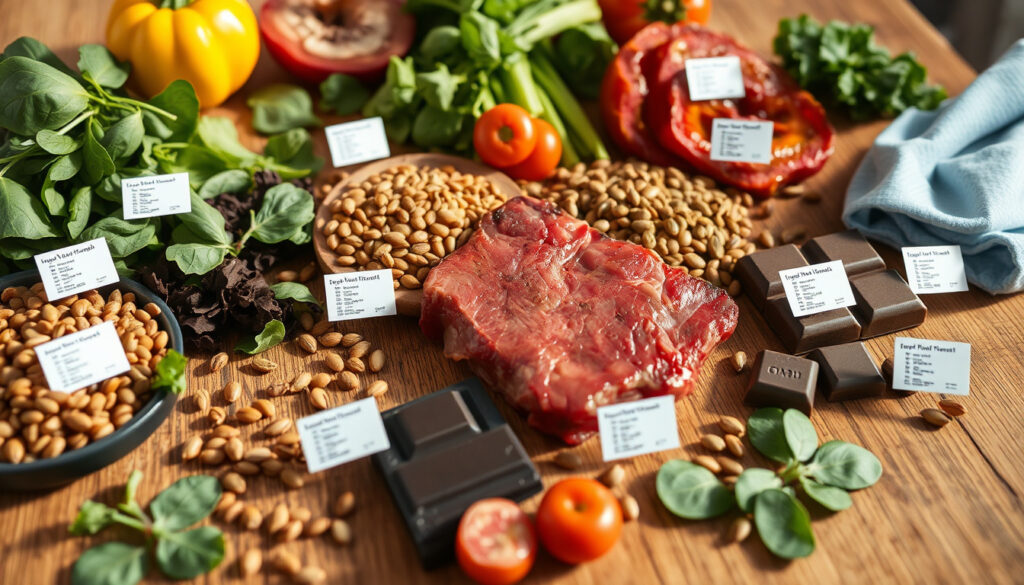
Foods High in Iron – Complete Guide With Chart and Tips
Iron is an essential mineral that plays a central role in transporting oxygen throughout the body, supporting energy production, and maintaining a healthy immune system. When dietary intake falls short, iron deficiency can develop, and in more severe cases, it can progress to iron-deficiency anemia. Understanding which foods provide the most iron — and how to make that iron more available to your body — is key to meeting your daily needs, whether you eat meat, follow a plant-based diet, or fall somewhere in between.
The body absorbs iron in two distinct forms: heme iron, found in animal products, and non-heme iron, found in plants and fortified foods. Heme iron is absorbed two to three times more efficiently than non-heme iron, which means vegetarians and vegans need to be more intentional about their food choices and meal pairings. This guide covers the foods highest in iron, daily requirements for different life stages, practical strategies for improving absorption, and the signs of low iron to watch for.
All figures and recommendations in this article are drawn from established health authorities including the National Institutes of Health, the NHS, the American Red Cross, and the World Health Organization.
What foods are highest in iron?
The richest sources of dietary iron span both animal and plant categories. Organ meats, shellfish, and fortified cereals top the list by concentration, while legumes, leafy greens, and certain seeds provide substantial amounts for those who avoid meat. The table below offers a quick comparison across food categories.
| Food Category | Best Sources | Iron per Serving (estimate) | Heme / Non-Heme |
|---|---|---|---|
| Red Meat & Organ Meats | Beef liver, lean beef | 3–5 mg | Heme |
| Poultry & Fish | Chicken, turkey, sardines, tuna | 1–3 mg | Heme |
| Beans & Legumes | Kidney beans, chickpeas, lentils | 2–4 mg | Non-Heme |
| Leafy Greens | Spinach, kale, Swiss chard | 2–3 mg | Non-Heme |
| Nuts & Seeds | Pumpkin seeds, cashews, almonds | 2–4 mg | Non-Heme |
| Dried Fruit | Raisins, apricots, prunes | 1–2 mg | Non-Heme |
Key insights about dietary iron:
- Heme iron from animal sources is absorbed 2–3 times more efficiently than non-heme iron from plants.
- Vegetarians need nearly double the recommended daily intake of iron to compensate for lower absorption rates.
- Vitamin C can boost non-heme iron absorption by up to 6 times when consumed in the same meal.
- Cooking in cast iron pans can increase the iron content of food, especially acidic foods like tomato sauce.
- Iron deficiency is the most common nutritional deficiency worldwide, affecting disproportionately women and children.
| Fact | Detail |
|---|---|
| Daily recommended intake | 8 mg (adult men), 18 mg (adult women 19–50), 27 mg (pregnancy) |
| Highest source per 100g | Beef liver (6.2 mg), fortified cereals (up to 20 mg), spinach (2.7 mg) |
| Type of iron | Heme (animal products) vs Non-Heme (plants and fortified foods) |
| Top absorption tip | Combine iron foods with vitamin C (citrus, bell peppers, tomatoes) |
| Symptoms of deficiency | Fatigue, weakness, pale skin, shortness of breath, dizziness |
Top animal-based sources of heme iron
Among animal foods, shellfish and organ meats deliver the highest concentrations. Oysters and clams contain around 5 mg or more per 100 g, while beef liver provides about 6.2 mg per 100 g. Red meat such as beef and lamb offers 2–3 mg per 100 g, and dark meat poultry — particularly turkey leg and chicken thigh — supplies 1–2 mg per serving. Fish including sardines, tuna, mackerel, and haddock also contribute meaningful amounts of heme iron, along with shrimp and scallops. The NHS notes that liver, red meat, and beans are all good sources of iron.
Top plant-based sources of non-heme iron
Fortified breakfast cereals are among the most concentrated non-heme sources, with some varieties providing up to 20 mg per serving. Legumes such as lentils, chickpeas, kidney beans, and white beans offer 2–4 mg per cooked cup. Soy products — tofu, tempeh, and edamame — are also reliable sources. Pumpkin seeds, sesame seeds (including tahini), cashews, and pistachios deliver between 2 and 4 mg per ounce. Among vegetables, spinach, kale, collards, Swiss chard, beet greens, broccoli, and Brussels sprouts all contain non-heme iron, though their oxalate content can reduce bioavailability.
Iron-rich fruits and vegetables at a glance
Fruits are generally lower in iron than animal foods or legumes, but several dried and fresh options contribute useful amounts. Prune juice, raisins, dates, figs, and dried apricots each provide 1–2 mg per serving. Fresh fruits such as strawberries and watermelon contain smaller amounts but can still play a supporting role, especially when paired with other iron sources. The American Red Cross includes strawberries, watermelon, raisins, dates, figs, prunes, and dried apricots on its list of iron-rich foods.
How much iron do I need per day?
Daily iron requirements by age and gender
Recommended dietary allowances vary significantly by age, sex, and life stage. According to the NIH Iron Fact Sheet, adult men aged 19 and older need 8 mg per day, while women aged 19–50 require 18 mg daily due to menstrual losses. After menopause, women’s needs drop to 8 mg per day. Children’s needs range from 7 to 11 mg daily depending on age, and adolescents — especially girls after menstruation begins — have elevated requirements. The Dietary Guidelines for Americans reflect the same targets.
Menstruating women lose iron through monthly blood loss, which is why their recommended intake (18 mg/day) is more than double that of men. For women with heavy periods, the risk of deficiency is even higher, and checking iron status may be warranted if symptoms such as fatigue or pale skin develop.
Increased needs during pregnancy and for blood donors
Pregnancy places substantial demands on iron stores. Blood volume expands significantly to support fetal development, and the recommended intake rises to 27 mg per day. Lactating women need 9–10 mg per day depending on age. Blood donors also face higher needs because each donation removes roughly 200–250 mg of iron from the body. Frequent donors are advised to monitor their iron levels and increase dietary intake accordingly.
Iron needs for women with heavy menstruation
Women who experience heavy menstrual bleeding are at elevated risk for iron deficiency and anemia. The monthly blood loss can quickly deplete iron stores, especially if dietary intake is marginal. Symptoms such as persistent fatigue, weakness, or shortness of breath may signal that iron status should be evaluated by a healthcare professional. Increasing intake of iron-rich foods — particularly heme sources or carefully paired non-heme options — can help maintain adequate levels.
How can I increase iron absorption from food?
Pairing iron-rich foods with vitamin C for better absorption
Vitamin C is one of the most effective enhancers of non-heme iron absorption. When consumed in the same meal, it can increase absorption by up to six times. Practical pairings include adding tomatoes to bean dishes, squeezing lemon over spinach salads, eating strawberries with fortified cereal, or including bell peppers in lentil soups. Good sources of vitamin C include oranges, grapefruit, kiwi, strawberries, bell peppers, broccoli, cabbage, tomatoes, cauliflower, Brussels sprouts, and kale. Alberta Health Services and the NIH ODS both highlight this strategy as a key way to improve iron status.
Add a squeeze of lemon or lime to lentil soup and bean dishes. Serve spinach salads with orange slices or bell pepper strips. Pair fortified breakfast cereal with a glass of orange juice or a side of fresh strawberries. Small adjustments like these can meaningfully improve how much iron your body absorbs from plant foods.
Foods and drinks that inhibit iron absorption
Several common dietary components can reduce iron absorption, particularly for non-heme iron. Tea and coffee contain tannins (polyphenols) that bind to iron and limit its uptake. Calcium — whether from dairy products, calcium-fortified foods, or supplements — also competes for absorption when consumed at the same time as iron-rich meals. Phytates found in whole grains, legumes, and nuts can similarly reduce availability, though cooking and soaking help mitigate this effect. For optimal absorption, it is advisable to avoid tea, coffee, and high-calcium foods within one hour before or after an iron-containing meal, according to Alberta Health Services and the NIH ODS.
Cooking tips to maximize iron availability
Certain preparation methods can increase the iron content of meals or improve its bioavailability. Cooking in cast iron cookware, especially when preparing acidic dishes such as tomato sauce, can add measurable amounts of iron to the food. Soaking and cooking legumes reduces their phytate content, making the iron they contain more absorbable. Using meat, poultry, or seafood in meals that also include plant-based iron sources can boost overall heme intake and enhance non-heme absorption through what is known as the “meat factor.”
Can you get enough iron from a vegetarian diet?
Complete list of vegetarian-friendly iron sources
A well-planned vegetarian diet can provide adequate iron, though it requires attention to food choices and meal composition. The most concentrated vegetarian sources include fortified breakfast cereals, lentils, chickpeas, kidney beans, white beans, tofu, tempeh, edamame, pumpkin seeds, sesame seeds (including tahini), cashews, pistachios, spinach, kale, collards, Swiss chard, beet greens, broccoli, Brussels sprouts, potatoes, tomatoes and tomato paste, prune juice, raisins, dates, figs, dried apricots, and enriched bread, pasta, and rice. The NIH ODS, Harvard Health, the Cleveland Clinic, and the Dietary Guidelines all recognize these as meaningful sources of non-heme iron.
How vegetarians can meet daily iron requirements
Because non-heme iron is less efficiently absorbed, vegetarians may need to aim for roughly 1.8 times the standard RDA. This means an adult vegetarian woman of reproductive age would target about 32 mg per day, and a vegetarian man about 14 mg per day. Achieving these levels is possible by including legumes or tofu in at least two meals daily, choosing fortified cereals regularly, snacking on seeds and dried fruit, and pairing every iron-containing meal with a vitamin C source. Avoiding tea and coffee at mealtimes also helps preserve absorption.
Even with careful planning, some vegetarians and vegans may develop low iron stores. Common symptoms include persistent fatigue, weakness, pale or sallow skin, shortness of breath during routine activity, dizziness, headaches, cold hands and feet, brittle nails, hair loss, poor concentration, and unusual cravings for non-food items. Anyone experiencing these symptoms should consult a healthcare provider for a serum ferritin test.
Signs of low iron to watch for on a plant-based diet
Iron deficiency can develop gradually, making it easy to overlook. Common warning signs include fatigue and low energy, weakness, pale skin, shortness of breath, dizziness, headaches, cold hands and feet, brittle nails, hair loss, poor concentration or “brain fog,” restless legs, and — in some cases — cravings for non-food items such as ice or clay (a condition known as pica). These symptoms are not specific to vegetarians, but individuals on plant-based diets should be especially attentive given the lower bioavailability of non-heme iron.
How iron status changes over time: a life-stage timeline
- Infancy (0–12 months): Iron from breast milk and formula is critical for brain development. Needs range from 7–11 mg per day depending on age.
- Adolescence (menarche): Increased iron needs for girls due to the onset of menstrual blood loss. This is a period of elevated risk for deficiency.
- Pregnancy: Iron requirements almost double to support increased blood volume and fetal development. The RDA rises to 27 mg per day.
- Menopause: Iron needs decrease as menstrual bleeding stops. Women aged 51 and older require 8 mg per day, the same as adult men.
- Iron deficiency timeline: Depletion of iron stores → reduced red blood cell production → iron-deficiency anemia, with symptoms intensifying as stores decrease.
What is well established and what remains uncertain about dietary iron?
| Established information | Uncertainties or nuances |
|---|---|
| Beef liver, red meat, and fortified cereals are consistently among the highest iron-containing foods. | Exact iron content varies by cut, preparation method, and animal diet. |
| Vitamin C enhances non-heme iron absorption significantly. | Bioavailability of iron from plant sources can vary up to 10-fold depending on meal composition. |
| Daily iron requirements are well established by health authorities such as the NIH and WHO. | Long-term effects of high-dose iron supplementation above the RDA in healthy individuals are debated. |
| — | Some foods labeled as “high iron” may contain compounds that reduce absorption, such as oxalates in spinach. |
Why dietary iron matters for public health
Iron deficiency anemia affects approximately 30% of the global population, making dietary sources of iron a critical public health topic. The rise of plant-based diets has increased demand for accessible, accurate information on vegetarian sources of iron and how to optimize their absorption. Biofortification of staple crops such as beans and rice with iron is an emerging strategy to combat deficiency in developing regions, and recent research suggests that the timing of tea and coffee consumption — keeping it away from iron-rich meals — can meaningfully improve absorption for regular drinkers. These developments underscore the importance of understanding not just which foods contain iron, but how to make that iron work effectively in the body.
What authoritative sources say about iron-rich foods
“Good sources of iron include liver, red meat, beans, dried fruit, and fortified cereals.”
“Iron-rich foods include strawberries, watermelon, raisins, dates, figs, prunes, and dried apricots.”
“Foods that contain iron include meat, poultry, seafood, organ meats, legumes, and leafy greens.”
Putting it all together: building an iron-rich diet that works for you
Meeting your iron needs comes down to choosing the right foods and combining them strategically. For meat eaters, regular inclusion of red meat, poultry, or seafood — particularly liver and shellfish — provides highly absorbable heme iron. For vegetarians and vegans, a focus on legumes, tofu, fortified cereals, seeds, and leafy greens, paired consistently with vitamin C, can close the gap. Being mindful of inhibitors such as tea, coffee, and calcium at mealtimes further supports absorption. If you suspect your iron levels may be low, a serum ferritin test ordered by a doctor can provide clarity. For those looking to expand their nutritional knowledge, you may also find our guide on What Is Keto Diet useful for understanding how different eating patterns affect nutrient intake.
Frequently asked questions
Is it safe to take iron supplements with food?
Yes, but calcium-rich foods, tea, coffee, and high-fiber foods can reduce absorption. Take supplements 1 hour before or 2 hours after meals for best results, unless otherwise directed by your doctor.
What foods block iron absorption?
Tea, coffee, red wine (tannins), dairy products (calcium), whole grains and legumes (phytates), and egg whites (ovotransferrin) can inhibit iron absorption. Avoid consuming these within 1 hour of iron-rich meals.
What are the symptoms of low iron?
Common symptoms include fatigue, weakness, pale or yellow skin, shortness of breath, dizziness, cold hands and feet, brittle nails, and unusual cravings for non-food items (pica).
Which meats have the most iron per serving?
Beef liver (5–6 mg per 100 g), lean beef (2–3 mg per 100 g), lamb (2–3 mg), and dark meat poultry (1–2 mg). Oysters and clams are also excellent sources (5+ mg per 100 g).
Can you take iron supplements with orange juice?
Yes. Vitamin C in orange juice enhances non-heme iron absorption, so taking iron with orange juice rather than with tea or coffee can be beneficial.
What is the difference between heme and non-heme iron?
Heme iron comes from animal foods and is absorbed 2–3 times more efficiently than non-heme iron, which comes from plants and fortified foods. Meal composition strongly affects non-heme absorption.
How can vegetarians get enough iron without supplements?
By including legumes, tofu, fortified cereals, seeds, nuts, and leafy greens daily, and pairing them with vitamin C sources such as citrus, bell peppers, or tomatoes. Avoiding tea and coffee at meals also helps.
Is spinach a good source of iron?
Spinach contains about 2.7 mg of iron per 100 g, but its oxalate content reduces bioavailability. Pairing spinach with vitamin C improves absorption significantly.
Do children need iron supplements?
Most children can meet their needs through diet alone. Infants, toddlers, and adolescents are at higher risk, and supplementation should be guided by a pediatrician based on blood work.
What are the best iron-rich foods for pregnancy?
Lean red meat, poultry, fish, fortified cereals, lentils, spinach, and dried fruit are all excellent choices. Prenatal vitamins typically contain iron, but dietary intake remains important.
More related posts
 Big Trouble in Little China – Guide to Cast, Plot and Streaming
 False Positive Pregnancy Test – Causes, Chances and Confirmation Steps
 From Russia with Love – Complete Guide to the 1963 James Bond Classic
 Emma Jones – Presenter, Singer, CBE and Poet Guide
 6 Inch in CM – Exact Conversion to 15.24 Centimeters
 Beauty of Joseon Eye Cream – Reviews, Benefits & UK Guide
 Universal Credit 2025 Boost Details – Rates & Eligibility
 Princess Royal Parcel Hub – How to Spot and Avoid the Scam
